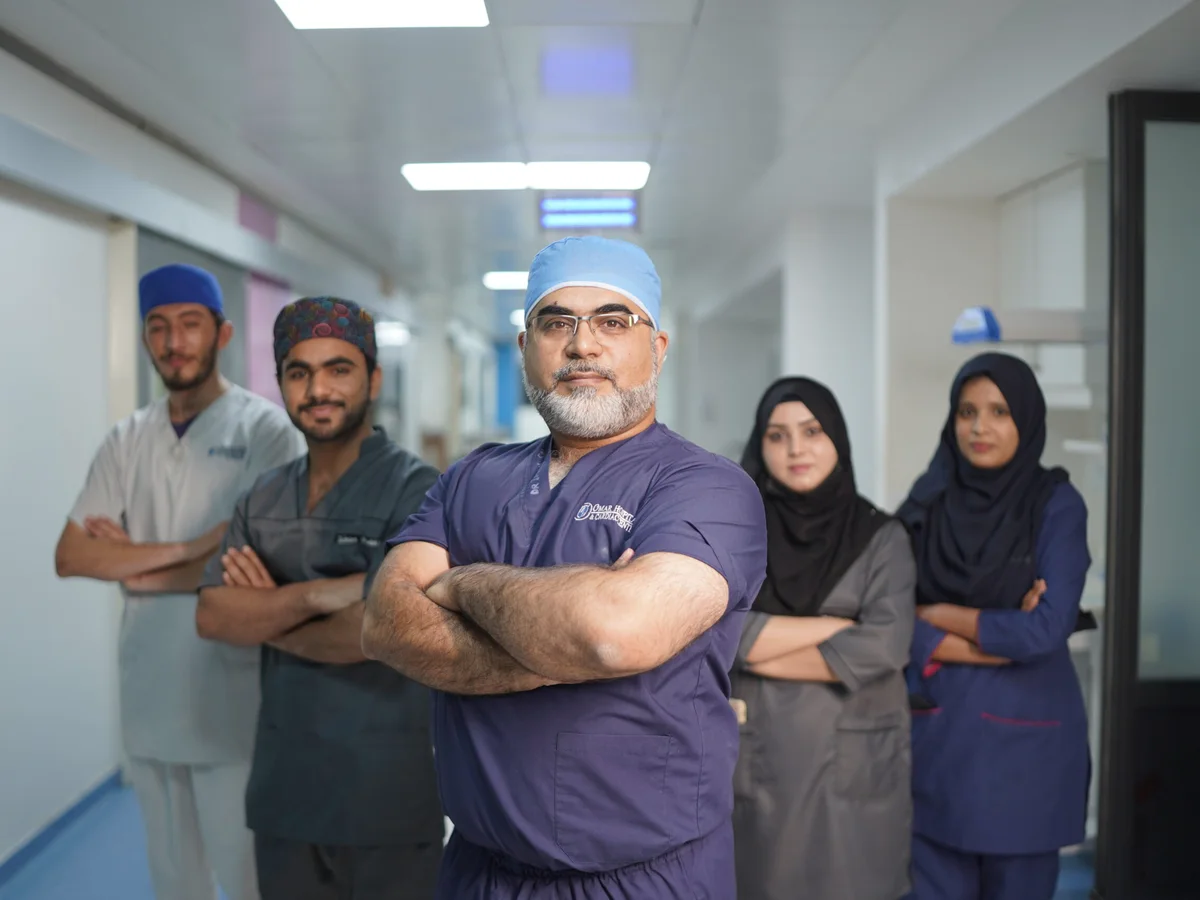
Here are 10 myths we often hear, and the facts.
By Dr Imran Salim Malik, orthopedic and trauma surgeon, Lahore.
Do you actually need surgery? How doctors decide
Not every back problem needs an operation. The doctor first looks at your symptoms, an examination, your X-ray or MRI, and how other treatment has worked.
Surgery is suggested only when these all point to the same cause and an operation is likely to help.
Not sure if you need surgery? WhatsApp your MRI report to +92 300 4890692 to book a consultation. Dr Malik will need to examine you before advising on surgery.
Myth 1: Every spine operation is big and risky
Not true. Spine surgery ranges from small procedures to bigger operations. Many now use minimally invasive surgery (small cuts and special tools).
For suitable patients, this can mean less blood loss and getting up a little sooner. It is not right for everyone.
Myth 2: Spine surgery is always very painful
Some pain after surgery is normal, and modern pain relief usually controls it well. For many people, it is less than the nerve or back pain they had before.
Myth 3: You will be in bed for months
Long bed rest is rarely advised. You are helped to get up and move early, which helps healing and prevents stiffness. Many patients are back to light activities within weeks, but this depends on the operation.
Myth 4: You will not be able to bend or move normally
The aim of most spine operations is to give back movement. Even after spinal fusion (joining two spine bones so they heal as one), most people manage daily activities.
With guided exercise, many return to work. Dr Malik checks your progress at each follow-up visit.
Myth 5: Spine surgery often leaves people paralysed
Serious problems such as paralysis are rare in routine operations. Dr Malik will explain your own risk before you decide.
When it is done for the right reason, spine surgery improves daily life for most patients. The key is an accurate diagnosis.
Myth 6: One spine operation always leads to more
It does not. When the real cause is found and treated, many patients never need another spine operation. Good planning, aftercare and exercise lower the chance of a repeat.
Myth 7: Surgery is the first and only answer to back pain
No. Physiotherapy, medicines, lifestyle changes and injections are usually tried first. Surgery is considered when these have not helped.
It may also be needed when a disc or bone presses hard on a nerve (nerve compression). Weakness or loss of function are other reasons.
When is back pain an emergency?
Go to an emergency department now if you have back or leg pain with:
- loss of bladder or bowel control
- new difficulty passing urine
- numbness around the private parts, inner thighs or buttocks
- new or quickly worsening weakness in the legs
If you cannot get to hospital safely, call Rescue 1122.
Severe back or neck pain after a fall or accident: keep the person still, do not move them, and call Rescue 1122. Older people can break a spine bone even in a small fall.
Back pain with a fever and feeling very unwell needs a doctor the same day.
See a doctor within days, not weeks, if back pain comes with:
- weight loss you can't explain
- pain that is worse at night
- a past history of cancer or TB
Tried physio and medicines and still in pain? WhatsApp your MRI report to +92 300 4890692 to book a consultation. Dr Malik will need to examine you before advising on surgery.
Myth 8: You will need painkillers for life
Most people need pain medicine only for a short time. Many can cut down or stop long-term painkillers once the cause of the pain is treated.
Myth 9: Exercise will make your back worse
Guided exercise is a key part of recovery. Physiotherapy strengthens the muscles that support your spine and lowers the chance of the pain coming back. Done correctly, it helps healing rather than harming the spine.
Myth 10: Spine surgery is only for older people
Spine problems affect all ages. The decision depends on your condition, health and symptoms, not age alone. Older people can also benefit when carefully assessed.
How to choose the right spine surgeon in Lahore
Questions to ask any surgeon before spine surgery:
- Are you registered with the PMDC?
- Do you have a qualification in orthopedic surgery or neurosurgery?
- How often do you do this operation?
- What can I try first, and is it safe to wait?
- What are the risks and the other options for me?
You can ask Dr Malik all of these at your visit. His spine work includes disc surgery, spine fixation with screws and rods, and kyphoplasty (bone cement to support a collapsed spine bone). He also offers non-surgical pain management, so a visit does not have to mean an operation. If you do need one, Dr Malik performs it himself.
Spine surgery is nothing to fear blindly, and it is not a guaranteed cure. With the right diagnosis and a properly trained surgeon, it can greatly improve daily life.
Want a second opinion?
Already been told you need an operation? A second opinion is your right. Bring your reports and Dr Malik will go through your options with you, including non-surgical ones.
WhatsApp your MRI report to +92 300 4890692 to book a consultation.
Common questions about spine surgery
Is spine surgery safe?
Like any operation, spine surgery has risks. Possible problems include wound infection, bleeding, blood clots, and nerve irritation or injury. Some people have pain that does not fully go away, or need another operation.
Serious nerve damage, such as paralysis, is rare. Your own risk depends on the operation and your health. Dr Malik will explain it clearly before you decide.
How much does spine surgery cost?
The consultation fee depends on the hospital you visit. We tell you the exact fee on WhatsApp before you book, so there are no surprises. A follow-up visit within 5 days of your first consultation is free to go through your reports and scans.
The cost of surgery depends on the operation, the implant, the room and the nights in hospital. It is explained to you before you decide.
Questions families ask
How long in hospital, and when can I go back to work?
It depends on the operation. Dr Malik will tell you how long you are likely to stay.
After a smaller operation, such as removing part of a slipped disc, recovery is faster. Recovery after a fusion takes longer, often several months.
Heavy manual work takes longer than desk work. Dr Malik will give you a return-to-work plan.
Stop smoking and all tobacco, including naswar and chewing tobacco. It slows bone and wound healing.
After spine surgery, which problems need a quick call?
Call the clinic the same day if:
- the wound is red, hot, swollen or leaking, or you have a fever
- clear, watery fluid comes from the wound, or you have a bad headache that gets better when you lie flat
- your calf is painful or swollen
If you cannot reach the clinic, go to the nearest emergency department.
Go to the nearest emergency department now or call Rescue 1122 for chest pain or sudden breathlessness. Also go now for new leg weakness or numbness, or loss of bladder or bowel control.
Do I need an MRI before I see the doctor?
Not always. If you have an X-ray or MRI, bring it or WhatsApp a photo of the report when you book. Dr Malik will tell you at your visit if you need a scan.
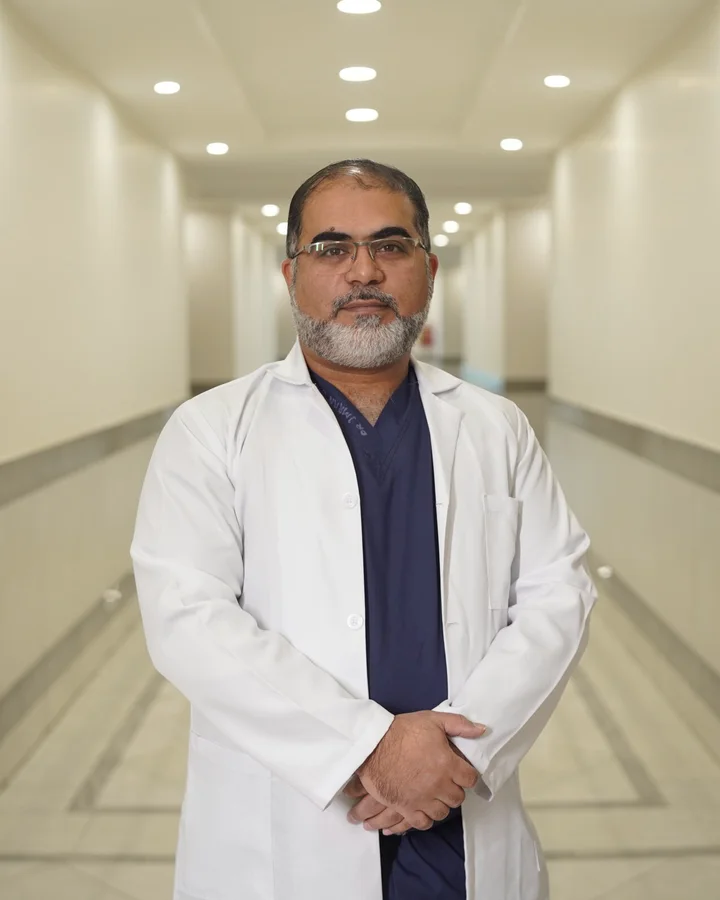
From the clinics of Dr Imran Salim Malik, orthopaedic and trauma surgeon. MBBS (Allama Iqbal Medical College) · MS (Trauma & Orthopaedics) · PMDC Reg. 39646-P. Every patient is different: Dr Malik will tell you what applies to you.